
Why Safety Is More Critical Than Ever
Manufacturing facilities today operate under intense pressure. Production demands continue to rise, customer expectations are higher, and labor shortages make it difficult to keep fully staffed shifts. With fewer workers and more work, many companies unknowingly increase their exposure to safety risks.
In fact, OSHA reports that more than 2.6 million workplace injuries occur every year in the United States—and manufacturing consistently ranks among the highest-risk industries. Most of these incidents come from predictable hazards: poor material handling, inconsistent training, inadequate machine guarding, and outdated processes.
The good news? Top 10 Safety Risks in Manufacturing are preventable. By combining proper equipment, structured processes, and routine inspections, companies can significantly reduce injuries while increasing productivity, morale, and profits.
This comprehensive guide breaks down the Top 10 Safety Risks in Manufacturing and provides practical strategies to create a safer, smarter, and more efficient workplace.
Let’s begin.
1. Material Handling Injuries for Top 10 Safety Risks in Manufacturing
The #1 Cause of Strains, Sprains, and Long-Term Musculoskeletal Damage
Material handling is one of the most common tasks in manufacturing, and unfortunately, it’s also one of the most hazardous. Workers often lift, carry, push, pull, twist, and maneuver loads that are too heavy, too awkward, or too repetitive.
Common Causes
- Manual lifting of heavy objects
- Moving equipment without wheels or support
- Awkward postures when reaching or bending
- Repeated motion over long shifts
- Poor workstation layout
The Impact
Material-handling injuries account for over 30% of manufacturing injuries. These injuries lead to lost-time incidents, workers’ compensation claims, and reduced productivity.
Solutions
- Use carts, tuggers, dollies, and machine skates for heavy loads
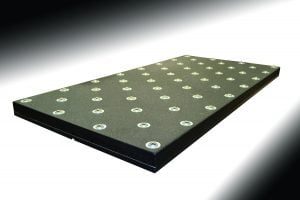
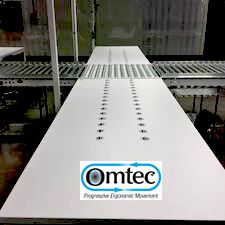
- Install conveyors or ball transfer tables to reduce pushing and pulling
- Add adjustable-height workstations
- Provide training on ergonomic lifting
- Implement material flow improvements using automation
Investing in simple ergonomic tools can prevent years of chronic pain for workers.
2. Slips, Trips, and Falls
A Silent but Costly Hazard in Every Facility
Even well-run plants experience occasional spills, clutter, or uneven flooring. These conditions create slip-and-fall risks that can cause serious injuries such as fractures, sprains, or head trauma.
Common Causes
- Wet floors or chemical spills
- Poor housekeeping
- Damaged flooring surfaces
- Unmarked steps or elevation changes
- Poor lighting
Solutions
- Implement a 5S housekeeping program
- Use anti-slip mats in high-traffic areas
- Maintain proper lighting in aisles and work zones
- Clearly label walkways and hazard zones
- Perform daily housekeeping checks
A clean facility is a safe facility—and it dramatically improves efficiency.
3. Machine Guarding Failures
One of OSHA’s Most Frequent Safety Violations
Machines with moving parts are essential for production, but they also pose crushing, cutting, and entanglement hazards. Many injuries occur when guards are removed, damaged, or bypassed.
Common Causes
- Missing guards
- Guards removed for convenience
- Inadequate training
- Improper maintenance
- Improvised or old equipment
Solutions
- Inspect guards daily before operation
- Replace damaged guards immediately
- Use interlocked or tamper-resistant guards where possible
- Provide operator-specific training
- Maintain a machine-guarding checklist (we can generate one branded for you)
Proper guarding prevents severe injuries and costly shutdowns.
4. Electrical Hazards
Hidden Top 10 Safety Risks in Manufacturing That Lead to Shocks, Burns, and Fires
Electrical issues are often overlooked because they are not always visible. But when wiring, grounding, or equipment is damaged, the risk skyrockets.
Common Causes
- Frayed cords
- Open panels
- Overloaded outlets
- Improper grounding
- Untrained staff performing repairs
Solutions
- Routine electrical inspections
- Train authorized personnel only
- Keep panels closed, labeled, and unobstructed
- Replace any damaged wiring immediately
- Use lockout/tagout procedures during repairs
Electrical safety is non-negotiable in any industrial environment.
5. Chemical Exposure Hazards
From Mild Irritation to Serious Health Disorders
Manufacturers work with chemicals ranging from cleaners to lubricants to coatings. Without proper handling, workers are exposed to burns, respiratory issues, or long-term health problems.
Common Causes
- Improper labeling
- Inadequate PPE
- Poor ventilation
- Incorrect storage
- Lack of hazard communication training
Solutions
- Maintain updated SDS sheets for every chemical
- Use labeled, sealed containers
- Provide gloves, goggles, respirators, or aprons where required
- Install ventilation or fume extraction where needed
- Train staff annually on HAZCOM best practices
A solid chemical safety program protects both your people and your facility.
6. Forklift & Industrial Vehicle Accidents
A Leading Cause of Serious and Fatal Injuries
Forklifts move fast, carry heavy loads, and operate around pedestrians. Even minor mistakes can cause property damage or severe injuries.
Common Causes
- Untrained or uncertified operators
- Poor visibility
- Speeding
- Overloaded forks
- Lack of pre-shift inspections
Solutions
- Require daily forklift inspection checklists
- Provide refresher training for all operators
- Separate pedestrian and vehicle pathways
- Install mirrors, guard rails, and warning alarms
- Maintain strict speed and load policies
A safe forklift is a productive forklift.
7. Poor Ergonomics & Repetitive Motion Injuries
Small Movements Repeated Thousands of Times
Ergonomics often gets ignored—until a worker develops chronic injuries. These injuries reduce productivity and increase turnover.
Common Causes
- Fixed-height workstations
- Repetitive motions
- Excessive reaching
- Long periods of standing
- Poor tool design
Solutions
- Adjustable workstations
- Anti-fatigue mats
- Power or assist tools
- Job rotation
- Engineering controls to reduce strain
Ergonomics improvements often increase output while reducing injuries.
8. Housekeeping Problems & Clutter
A Simple Issue With Big Consequences
Messy workplaces cause accidents, slow production, and hide hazards.
Common Causes
- Tools left out
- Scrap or waste buildup
- Spills not cleaned quickly
- Poorly defined storage systems
Solutions
- Implement the 5S system (Sort, Set in Order, Shine, Standardize, Sustain)
- Perform daily housekeeping checks
- Use shadow boards and labeled storage areas
- Assign ownership to teams
Good housekeeping builds safety into the culture.
9. Lockout/Tagout (LOTO) Failures
Still a Top OSHA Citation Every Year
Machines that start unexpectedly can kill or seriously injure workers. LOTO exists to prevent exactly that—but only if practiced correctly.
Common Causes
- Bypassing procedures
- Poor training
- Missing locks or tags
- Incorrect isolation steps
- Rushing during maintenance
Solutions
- Standardize written LOTO procedures for each machine
- Provide hands-on training to all affected employees
- Maintain well-stocked LOTO stations
- Conduct annual compliance audits
- Create a LOTO checklist for technicians
LOTO is the difference between safe maintenance and catastrophic accidents.
10. Fire Hazards
Often Overlooked Until It’s Too Late
Fires can start from poor wiring, flammable materials, dust buildup, or blocked exits.
Common Causes
- Poor electrical maintenance
- Dust accumulation
- Improper storage of flammables
- Missing extinguishers
- Obstructed emergency exits
Solutions
- Monthly extinguisher checks
- Clear aisles and emergency exits
- Store flammable materials properly
- Use explosion-proof equipment where needed
- Maintain sprinkler systems
Preparation is the best form of fire prevention.
Downloadable Safety Checklists (Free Resource)
To help manufacturers stay compliant and reduce risk, AT Auto Conveyor provides a complete set of professional, branded safety checklists, including:
- PPE Compliance Checklist
- Machine Guarding Safety Checklist
- Lockout/Tagout Checklist
- Ladder Safety Checklist
- Electrical Safety Checklist
- Spill Response Checklist
- HAZCOM Checklist
- Fire Safety Checklist
- 5S Checklist
- New Hire Training Checklist
These tools make safety programs easier to manage—and they build trust with leadership, auditors, and employees.
How AT Auto Conveyor Helps Companies Reduce Safety Risks
AT Auto Conveyor isn’t just a parts supplier. We help companies:
✔ Improve material flow
✔ Reduce manual handling injuries
✔ Upgrade conveyors and ball transfer systems
✔ Simplify machine loading and unloading
✔ Improve ergonomic efficiency
✔ Enhance workplace safety with the right equipment
From simple tools to advanced automation, our goal is to help plants run safer, faster, and more efficiently.
If your facility is dealing with safety challenges, equipment needs, or process bottlenecks, we can help you find the right solution.
Conclusion
Safety should never be treated as an afterthought. When injuries decline, profits rise. employees feel safe, morale improves. risks are controlled, production flows smoothly and reliably.
By understanding the top safety risks in manufacturing—and implementing the strategies outlined in this guide—your facility can significantly reduce injuries, increase efficiency, and build a stronger safety culture.
If you’d like help choosing the right tools, equipment, or systems to support your safety goals, reach out anytime.